Welcome back to A Closser Look! Today we’re journeying to a land of drought, a place of salt, sand, and uninhabited land; desert, or as some know it, the wilderness. I’ve recently had the chance to experience the desert’s extreme temperatures and dry air, in a controlled and tempered manner. We never lacked water and air conditioning was always close by. We were travelers visiting the desert terrain for the first time. The excitement of a new environment can often draw some of the sting out of the diversity of discomforts. For us, the desert was a place of exploration, but for our story today, the desert is a place of decision and ultimately, life or death.
Jeremiah 17:5-6 “Thus saith the Lord; Cursed be the man that trusteth in man, and maketh flesh his arm, and whose heart departeth from the Lord. For he shall be like the heath in the desert, and shall not see when good cometh; but shall inhabit the parched places in the wilderness, in a salt land and not inhabited.”
Jeremiah 2:6 “Neither said they, Where is the Lord that brought us up out of the land of Egypt, that led us through the wilderness, through a land of deserts and of pits, through a land of drought, and of the shadow of death, through a land that no man passed through, and where no man dwelt?”
I can imagine wandering in that desert. The arid heat, lack of water, and seemingly no sure direction would seem as though one was walking in the shadow of death. The Israelites, God’s chosen people, would find themselves ultimately choosing between the comforts of Egypt or the promises of God. Our story begins in Deuteronomy 1, where what should have been an eleven’s day journey reached the brink of forty years.
Deuteronomy 1:2-3 “(There are eleven days’ journey from Horeb by the way of mount Seir unto Kadeshbarnea.) And it came to pass in the fortieth year, in the eleventh month, on the first day of the month, that Moses spake unto the children of Israel, according unto all that the LORD had given him in commandment unto them;”
God brought them out of bondage in Egypt to bring them into the promised land of Canaan (Deuteronomy 6:20-23, Exodus 3:8, Leviticus 25:38). Yet, they doubted that the God that had the power to free slaves from bondage could deliver them to abundance also. Desperate, in faint of heart, they were gifted deliverance only to lose faith in the one who delivered them.
In Exodus 15:1-21, Moses and the children of Israel sang a triumphant song of deliverance to the LORD:
In short, it would have gone like this: I will sing unto the Lord, for he hath triumphed gloriously/ The Lord is my strength and song, and he is become my salvation/the Lord is his name/ Thy right hand, O Lord, is become glorious in power:/thy right hand, O Lord, hath dashed in pieces the enemy/ Who is like unto thee, O Lord, among the gods?/ glorious in holiness, fearful in praises, doing wonders?/ The Lord shall reign for ever and ever.
Deuteronomy 6:20-23 “And when thy son asketh thee in time to come, saying, What mean the testimonies, and the statutes, and the judgments, which the Lord our God hath commanded you? 21 Then thou shalt say unto thy son, We were Pharaoh’s bondmen in Egypt; and the Lord brought us out of Egypt with a mighty hand: 22 And the Lord shewed signs and wonders, great and sore, upon Egypt, upon Pharaoh, and upon all his household, before our eyes: 23 And he brought us out from thence, that he might bring us in, to give us the land which he sware unto our fathers.”
Exodus 3:8 “And I am come down to deliver them out of the hand of the Egyptians, and to bring them up out of that land unto a good land and a large, unto a land flowing with milk and honey; unto the place of the Canaanites, and the Hittites, and the Amorites, and the Perizzites, and the Hivites, and the Jebusites.”
Leviticus 25:38 ” I am the Lord your God, which brought you forth out of the land of Egypt, to give you the land of Canaan, and to be your God.”
In Exodus 16, we see this declaration of victory, swallowed up by the sound of their own stomachs.
Exodus 16:2-3 “And the whole congregation of the children of Israel murmured against Moses and Aaron in the wilderness: 3 And the children of Israel said unto them, Would to God we had died by the hand of the Lord in the land of Egypt, when we sat by the flesh pots, and when we did eat bread to the full; for ye have brought us forth into this wilderness, to kill this whole assembly with hunger.”
Even though the Israelites lacked faith, the Lord remained faithful still. In Nehemiah 9:21, we see that the Lord sustained them for the forty years they wandered tirelessly, to the beat of the desires of their own hearts, and empty stomachs.
Nehemiah 9:21 “Yea, forty years didst thou sustain them in the wilderness, so that they lacked nothing; their clothes waxed not old, and their feet swelled not.”
In Exodus 16, the Lord rained bread from heaven for them (v.4), and the glory of the Lord was seen in all the clouds of this barren wasteland (v.10).
Exodus 16:15 “And when the children of Israel saw it, they said one to another, It is manna: for they wist not what it was. And Moses said unto them, This is the bread which the Lord hath given you to eat.”
The bread from heaven was called manna. Manna means, “what is it?”. It’s interesting as you begin to look at manna as it is mentioned in Scripture. In John 6:30-35, Jesus tells us that the manna in the wilderness is a picture of Christ, the bread of life! Manna speaks of the “mystery of godliness,” the mystery of God manifested in the flesh (1 Timothy 3:16).
John 6:30-35 “They said therefore unto him, What sign shewest thou then, that we may see, and believe thee? what dost thou work? 31 Our fathers did eat manna in the desert; as it is written, He gave them bread from heaven to eat. 32 Then Jesus said unto them, Verily, verily, I say unto you, Moses gave you not that bread from heaven; but my Father giveth you the true bread from heaven. 33 For the bread of God is he which cometh down from heaven, and giveth life unto the world. 34 Then said they unto him, Lord, evermore give us this bread. 35 And Jesus said unto them, I am the bread of life: he that cometh to me shall never hunger; and he that believeth on me shall never thirst.”
1 Timothy 3:16 “And without controversy great is the mystery of godliness: God was manifest in the flesh, justified in the Spirit, seen of angels, preached unto the Gentiles, believed on in the world, received up into glory.”
Female Woodpecker feeds her young ones in a Saguaro
Attributes of Manna
Small (Exodus 16:14)
Speaks of Christ’s humility (Philippians 2:6-7)
On the ground (Exodus 16:14)
Speaks of the humility necessary to receive Christ’s salvation
Round (Exodus 16:14)
Speaks of Christ’s eternity (John 8:58, Revelation 1:8)
It was a gift given (Exodus 16:15)
Speaks of Christ’s grace in salvation (Ephesians 2:8-9, John 3:16)
White (Exodus 16:31)
Speaks of Christ’s purity and righteousness (Romans 5:12, Matthew 1:20, Hebrews 4:15)
Sweet (Exodus 16:31)
Speaks of man’s responsibility to taste Christ’s salvation (Psalm 34:8, 119:103)
Must be received early (Exodus 16:21)
Speaks of the urgency of receiving Christ’s salvation (Isaiah 55:6)
When you realize that the manna is a picture of Christ, it becomes clearer that the Exodus is not just a portion of Israel’s history, but a portrait of the Christian life! Just as easily as the Israelites veered off the path God had laid before them, we too can fall prey to the pleasures of this world and the lusts of our flesh.
Portrait of the Christian Life
Deuteronomy 8:3 “And he humbled thee, and suffered thee to hunger, and fed thee with manna, which thou knewest not, neither did thy fathers know; that he might make thee know that man doth not live by bread only, but by every word that proceedeth out of the mouth of the Lord doth man live.”
The sobering thought concerning manna is that it was never meant to satisfy, but only to sustain them as they found their way through the wilderness. We find out later on, that God allowed them to hunger so that they would realize their need wasn’t for physical food, but for God’s voice. Matthew 4:4 says, “that man doth not live by bread alone but by every word of God”! The same is true for us; God’s voice satisfies our soul (Psalm 63).
Egypt
World
Israel
Believer
Pharaoh
Satan
Bondage
Sin
Moses
Deliverer
Us = bondage, but Jesus = delivered us!
Deuteronomy 6:20-25 “And when thy son asketh thee in time to come, saying, What mean the testimonies, and the statutes, and the judgments, which the Lord our God hath commanded you? 21 Then thou shalt say unto thy son, We were Pharaoh’s bondmen in Egypt; and the Lord brought us out of Egypt with a mighty hand:22 And the Lord shewed signs and wonders, great and sore, upon Egypt, upon Pharaoh, and upon all his household, before our eyes:23 And he brought us out from thence, that he might bring us in, to give us the land which he sware unto our fathers. 24 And the Lord commanded us to do all these statutes, to fear the Lord our God, for our good always, that he might preserve us alive, as it is at this day. 25 And it shall be our righteousness, if we observe to do all these commandments before the Lord our God, as he hath commanded us.”
Our Exodus (salvation) was not simply for Jesus to take us to His home when we die; but to make us His home while we live! After our Exodus (salvation) there is a wilderness to go through. The purpose in the wilderness is threefold:
The Exodus is where God brings me out of Egypt, the wilderness is where God brings Egypt out of me!
The Exodus deals with the enemy without (Satan), the wilderness deals with the enemy within (you/flesh)!
The Exodus is what puts me on the way, the wilderness determines whether I will go all the way!
Discipleship Note: God never intended for a believer to journey through the wilderness alone!Discipleship is someone living in Canaan being used of God to deliver a lost person out of Egypt and then taking them by the spiritual hand and walking them through the wilderness until they make their entrance into Canaan.
2 Timothy 2:2 “And the things that thou hast heard of me among many witnesses, the same commit thou to faithful men, who shall be able to teach others also.”
Conclusion
In conclusion, the Israelites wandered in the wilderness for forty years and in the end, only two made it into the promised land, Joshua and Caleb (Joshua 14:6-15). We see in Joshua 14, that it was because they followed the Lord’s voice. Their trust in Him never wavered. If we truly want to live an abundant life in Christ, we must follow Him wholeheartedly. We must desire Him, just as David did in Psalm 63:1-7.
Psalm 63:1-7 “O God, thou art my God; early will I seek thee: my soul thirsteth for thee, my flesh longeth for thee in a dry and thirsty land, where no water is; 2 To see thy power and thy glory, so as I have seen thee in the sanctuary. 3 Because thy lovingkindness is better than life, my lips shall praise thee. 4 Thus will I bless thee while I live: I will lift up my hands in thy name. 5 My soul shall be satisfied as with marrow and fatness; and my mouth shall praise thee with joyful lips: 6 When I remember thee upon my bed, and meditate on thee in the night watches. 7 Because thou hast been my help, therefore in the shadow of thy wings will I rejoice.”
The Lord’s mercies are new every morning; (Lamentations 3:22-23) He is faithful and compassionate towards those who wait for him and to the soul that seeks him (3: 25-26)! Rather than waiting on the Lord, the Israelites sought the desires of their past led by the sounds of their stomachs, rather than the echoes of God’s voice. John 10:27 says that the Lord’s sheep hear his voice, and he knows them, and they follow him! Israel journeyed forty long years, when they could’ve arrived in eleven days. Follow His voice (His Words), not the sounds of the world, or the thoughts of your own heart.
Without the Way, there is no going. Without the Truth, there is no knowing. Without the Life, there is no living.
I’d like to start this blog with a question to ponder: It’s easy to praise God on the mountains, but do we praise Him in the valleys? David exclaims in Psalm 73:28, “But it is good for me to draw near to God: I have put my trust in the Lord God, that I may declare all thy works.” He says, it is good for a man to draw near to God; to trust in the Lord! But, what happens in those moments when we feel like God is so far away? When it feels like the valleys continue to stretch out for miles? When you’re stumbling in the shadows beneath the mountains? When they stand so tall you think you’ll never reach the top? Let’s take A Closser Look at how God is the same God in the valleys and the heartache, as He is on the mountains and the highs!
Shenandoah National Park - Mountains and Valleys
Introduction
“Mountain” is mentioned 137 times and “mountains” 177 times in Scripture. The first mention is found in Genesis 12:8, “And he removed from thence unto a mountain on the east of Bethel, and pitched his tent, having Bethel on the west, and Hai on the east: and there he builded an altar unto the Lord, and called upon the name of the Lord.” Abraham is depicted building an altar unto the Lord for the first sacrifice mentioned in Scripture. Interesting to note, in the midst of preparing the place of sacrifice, he is calling upon the name of the Lord. More to come on that later. The last mention is Revelations 21:10, “And he carried me away in the spirit to a great and high mountain, and shewed me that great city, the holy Jerusalem, descending out of heaven from God.” On the mountains, the Lord’s great glory is revealed! God had to carry John up the mountain to show him great things… likewise; the Lord has us go through valleys, and up mountains to behold great things! It is only once we walk through the valley by faith, will we be able to stand on the mountain with victory.
Shenandoah National Park – Skyline Drive Overlook
Key Definitions:
VAL’LEY, n. plu. valleys. L. vallis. A hollow or low tract of land between hills or mountains. A low extended plain, usually alluvial, penetrated or washed by a river.
MOUNT’AIN, n. L. adjective, montanus. A large mass of earth and rock, rising above the common level of the earth or adjacent land, but of no definite altitude. We apply mountain to the largest eminences globally, but sometimes the word is used for a large hill.
In the Valley
Shenandoah National Park – Valley
You have probably heard the cliche valley verse in Proverbs 23:4, “Yea, though I walk through the valley of the shadow of death, I will fear no evil: for thou art with me; thy rod and thy staff they comfort me.” Yet, to David, this verse was much more than a mere cliche’ or good for a billboard. In Psalm 23, we see David’s dependency on the Lord for restoration (v.3) and guidance (v.3), as well as his unwavering trust in the Lord’s comfort (v.4). In verse 6, we see David’s expressed confidence that he was merely passing through the valley of the shadow of death, because he knew that the Lord would guide him to his dwelling place with Him forever. It reminds me of 1 Peter 4:12-13, Peter says, “Beloved, think it not strange concerning the fiery trial which is to try you, as though some strange thing happened unto you:13 But rejoice, inasmuch as ye are partakers of Christ’s sufferings; that, when his glory shall be revealed, ye may be glad also with exceeding joy.” Remember, the Lord’s great glory is revealed on top of the mountains! But first, we must be partakers of His sufferings, in the valleys, in the shadow of death, in Biblical darkness in a Biblically dark world. We can have confidence in the exceeding joy that following God brings. Paul tells us in 2 Corinthians 4:17-18, that our light affliction, the temporal trials of this world, will last a moment, but that the eternal choices will produce a far more exceeding weight in glory.
Imagine how Jesus feels when He sees you doing the right thing knowing it wasn’t easy for you, but you still chose to honor Him.
Jasper National Park – Miette Hot Springs- Valley
Valleys in the Bible
In Genesis 14, the valley of Siddim is introduced.
Genesis 14:10 “And the vale of Siddim was full of slimepits; and the kings of Sodom and Gomorrah fled, and fell there; and they that remained fled to the mountain.”
Key Definition:
SLIME, n. L. limus. Soft moist earth having an adhesive quality; viscous mud. They had brick for stone, and slime had they for mortar. Gen 11.
The valley of Siddim represents sin and wickedness. God saw the state of Sodom and Gemorah, the two cities in which the valley dwelled, and destroyed them with fire and brimstone. God cannot and will not tolerate sin. We can learn from Lot’s wife, that once you’ve been delivered from sin in the valley, don’t look back. Turn your eyes up to God and start up the mountain.
Genesis 19:24-26 “Then the Lord rained upon Sodom and upon Gomorrah brimstone and fire from the Lord out of heaven.25 And he overthrew those cities, and all the plain, and all the inhabitants of the cities, and that which grew upon the ground. 26 But his wife looked back from behind him, and she became a pillar of salt.”
In Numbers 13, the valley of Eschol is introduced.
Numbers 13:23-24 “And they came unto the brook of Eshcol, and cut down from thence a branch with one cluster of grapes, and they bare it between two upon a staff; and they brought of the pomegranates, and of the figs.The place was called the brook Eshcol, because of the cluster of grapes which the children of Israel cut down from thence.”
Context Note:
Context is key here. What’s going on in Numbers 13? In verse 1, we see the Lord spoke to Moses! What an amazing thing when the Lord speaks! He tells Moses, “Send thou men, that they may search the land of Canaan, which I give unto the children of Israel: of every tribe of their fathers shall ye send a man, every one a ruler among them (13:2).” In verses 3-16, Moses list every man sent to search out the Promised Land. Note, that in verses 17-18, these men were instructed to “go up into the mountain, and then they could see.” Remember as we discussed previously, in Revelation 21, John had to be carried up the mountain to see! God reveals his great glory on the mountains! Carrying on, in verses 19-20, these men were to scout out the land, and the Lord says something very interesting, “And be ye of good courage, and bring of the fruit of the land. Now the time was the time of the firstripe grapes.” Bringing us to our main text in this section verses 23-24, the men came came unto the brook of Eschol, and cut down a clsuter of grapes and returned with it. The chapter wraps up with a major decision to be made. Do they obey the Lord and move forward into the land or return to the wilderness?
The valley of Eschol represents decision. The spies reported that the people dwelling in the land were strong, the cities were walled, and very great (13:28). They saw the children of Anak there, giants! Along with the Amalikites, the Hittities, the Jebusites, the Amorites; a long list of Israel’s enemies (13:29). After analyzing their enemies before them, the men corresponded back and forth with each other with sayings such as: “Surely, they are stronger than us (13:31)… surely we’re grasshoppers in their sight (13:33)?” Yet, in verse 30, in the valley of decision, Caleb says, “And Caleb stilled the people before Moses, and said, Let us go up at once, and possess it; for we are well able to overcome it.” Caleb didn’t doubt, for even a second, that God was able to bring them the victory!
In 2 Samuel 15, the valley of Kidron is introduced.
2 Samuel 15:23 “And all the country wept with a loud voice, and all the people passed over: the king also himself passed over the brook Kidron, and all the people passed over, toward the way of the wilderness.”
The valley of Kidron represents suffering. It is located just outside the east wall of the city of Jerusalem. The valley between Jerusalem and Mt. Olivet. In 2 Samuel 15, we see David fleeing Jerusalem. Absalom was gathering support to overthrow David as King and he succeeded. David understood Absalom’s favor with the people was as punishment from God for the things he had done previously throughout the book of 2 Samuel.
2 Samuel 15:13-14 “And there came a messenger to David, saying, The hearts of the men of Israel are after Absalom. 14 And David said unto all his servants that were with him at Jerusalem, Arise, and let us flee; for we shall not else escape from Absalom: make speed to depart, lest he overtake us suddenly, and bring evil upon us, and smite the city with the edge of the sword.”
Absalom’s story is one of greed and pride and tells the tragic tale of one who tries to overthrow the plan of God. However; David did still have to flee Jerusalem, undertaking the journey through the valley of Kidron (suffering/”the way of the wilderness”), but ultimately, in the end, triumphed because he was God’s chosen king. God is with us in the wilderness and the valley of suffering even still and will always provide us a way to escape. The brook of Kidron is the very same brook that Jesus passed over, when he entered the garden with his disciples the night of his betrayal, which lead to sufferings of our Savior. We all know how that turned out though! Sometimes we will have to faithfully journey through the wilderness and sufferings of this life for God to get His glory.
John 18:1 “When Jesus had spoken these words, he went forth with his disciples over the brook Cedron, where was a garden, into the which he entered, and his disciples.”
In 1 Samuel 17, the valley of Elah is introduced.
1 Samuel 17:1-3 “Now the Philistines gathered together their armies to battle, and were gathered together at Shochoh, which belongeth to Judah, and pitched between Shochoh and Azekah, in Ephesdammim. 2 And Saul and the men of Israel were gathered together, and pitched by the valley of Elah, and set the battle in array against the Philistines. 3 And the Philistines stood on a mountain on the one side, and Israel stood on a mountain on the other side: and there was a valley between them.”
The valley of Elah represents battles. The valley stood between the Philistine army and the people of Israel. The valley stretched the giant, Goliath’s words across to David, ” Why are ye come out to set your battle in array? am not I a Philistine, and ye servants to Saul? choose you a man for you, and let him come down to me.” (17:8)
1 Samuel 17:19 “Now Saul, and they, and all the men of Israel, were in the valley of Elah, fighting with the Philistines.”
Serving the Lord comes with many battles. There are many that come against Him, therefore; will come against you. However, we see in verse 19, the men of Israel, though they were afraid, they fought in the valley with confidence because they knew God was with them.
1 Samuel 17:23 “And as he talked with them, behold, there came up the champion, the Philistine of Gath, Goliath by name, out of the armies of the Philistines, and spake according to the same words: and David heard them.”
The battles will be fierce and seem like there will be no end to the suffering. When you think you’ve just overcome, the world, Satan will send out his “champion” fighters against you. Yet, you must continue to fight the good fight. Mortify the fear of man, with the fear of God.
1 Samuel 17:37 “David said moreover, The Lord that delivered me out of the paw of the lion, and out of the paw of the bear, he will deliver me out of the hand of this Philistine. And Saul said unto David, Go, and the Lord be with thee.”
1 Samuel 17:45 “Then said David to the Philistine, Thou comest to me with a sword, and with a spear, and with a shield: but I come to thee in the name of the Lord of hosts, the God of the armies of Israel, whom thou hast defied.”
David knew he had the victory. He didn’t need fancy armor or a sharp sword. He was fighting in the name of the Lord and he could not lose! Let this remind us of Romans 8:31, “What shall we then say to these things? If God be for us, who can be against us?” when we’re in the valley of battle.
1 Samuel 17:49 “And David put his hand in his bag, and took thence a stone, and slang it, and smote the Philistine in his forehead, that the stone sunk into his forehead; and he fell upon his face to the earth.”
In Joshua 7, the valley of Anchor is introduced.
Joshua 7:24-26 “And Joshua, and all Israel with him, took Achan the son of Zerah, and the silver, and the garment, and the wedge of gold, and his sons, and his daughters, and his oxen, and his asses, and his sheep, and his tent, and all that he had: and they brought them unto the valley of Achor. 25 And Joshua said, Why hast thou troubled us? the Lord shall trouble thee this day. And all Israel stoned him with stones, and burned them with fire, after they had stoned them with stones. 26 And they raised over him a great heap of stones unto this day. So the Lord turned from the fierceness of his anger. Wherefore the name of that place was called,The valley of Achor, unto this day.“
The valley of Anchor represents punishment. The valley is situated northwest of the city of Jericho on the border of the tribe of Judah. Its name means, “trouble” or “affliction” because it was there that the Israelites executed Achan and his household in the fierceness of the Lord’s anger. Achan disobeyed the Lord’s command after the Israelites experienced great victory at the battle of Jericho, when he kept some of the spoils for himself that God ordered to be consecrated back to Himself (Joshua 6:17-19).
Joshua 6:17-19 “And the city shall be accursed, even it, and all that are therein, to the Lord: only Rahab the harlot shall live, she and all that are with her in the house, because she hid the messengers that we sent. 18 And ye, in any wise keep yourselves from the accursed thing, lest ye make yourselves accursed, when ye take of the accursed thing, and make the camp of Israel a curse, and trouble it. 19 But all the silver, and gold, and vessels of brass and iron, are consecrated unto the Lord: they shall come into the treasury of the Lord.”
Following the battle of Jericho, Israel faced a much weaker opponent, the city of Ai, however, they fell in defeat. It later was revealed to Joshua that the reason for their defeat lay in the spoils Achan had hidden from the Lord (Joshua 7:12-13).
Joshua 7:12-13 “Therefore the children of Israel could not stand before their enemies, but turned their backs before their enemies, because they were accursed: neither will I be with you any more, except ye destroy the accursed from among you. 13 Up, sanctify the people, and say, Sanctify yourselves against to morrow: for thus saith the Lord God of Israel, There is an accursed thing in the midst of thee, O Israel: thou canst not stand before thine enemies, until ye take away the accursed thing from among you.”
Achan and his family were stoned and burned together in the valley of Anchor. We learn from this that one person was disobedient, but all of Israel was held responsible and suffered. We are the body of Christ and our actions affect each other (1 Corinthians 12:12).
1 Corinthians 12:12 “For as the body is one, and hath many members, and all the members of that one body, being many, are one body: so also is Christ.”
Even though punishment had to take place, Israel dealt with it, and the Lord’s favor was returned. We see later on in the story, the valley of Anchor, became “a door of hope.” Hosea 2:15 says, “And I will give her her vineyards from thence, and the valley of Achor for a door of hope: and she shall sing there, as in the days of her youth, and as in the day when she came up out of the land of Egypt.”
In Joshua 15, the valley of Hinnom is introduced.
Joshua 15:8 “And the border went up by the valley of the son of Hinnom unto the south side of the Jebusite; the same is Jerusalem: and the border went up to the top of the mountain that lieth before the valley of Hinnom westward, which is at the end of the valley of the giants northward:”
The valley of Hinnom represents death and Hell. It is the valley where the idolatrous Jews burned their children alive, sacrificing them to Moloch and Baal. It later became the receptacle of the city and fire was ever burning. Jeremiah 19:6 refers to it as the “valley of slaughter!” Why? Well, the last mention of the valley of Hinnom is found in Jeremiah 32:35, “And they built the high places of Baal, which are in the valley of the son of Hinnom, to cause their sons and their daughters to pass through the fire unto Molech; which I commanded them not, neither came it into my mind, that they should do this abomination, to cause Judah to sin.” In the valley of Hinnom, lay the path through fire. Furthermore, it is interesting to note that the Greek word Hinnom, pronounced, Gehenna, is seen used by our Lord only in instances that denote future punishment (Hell).
Matthew 23:33 “Ye serpents, ye generation of vipers, how can ye escape the damnation of hell?”
Luke 12:5 “But I will forewarn you whom ye shall fear: Fear him, which after he hath killed hath power to cast into hell; yea, I say unto you, Fear him.”
Matthew 5:22 “But I say unto you, That whosoever is angry with his brother without a cause shall be in danger of the judgment: and whosoever shall say to his brother, Raca, shall be in danger of the council: but whosoever shall say, Thou fool, shall be in danger of hell fire.”
On the Mountain
Jasper National Park – Skyline Trail Summit
With all this talk of valleys, you’re probably ready for the good news. Once we’ve made it through the valley, we can ascend the mountain! We see the first mountain mentioned in Scripture in Genesis 8, Mount Ararat.
Genesis 8:4-5″ And the ark rested in the seventh month, on the seventeenth day of the month, upon the mountains of Ararat. 5 And the waters decreased continually until the tenth month: in the tenth month, on the first day of the month, were the tops of the mountains seen.”
It is the mountain where Noah’s ark rested, and God painted the promise of the rainbow in the sky. In verse 5, God ceased the waters to rise again. It’s easy to get overwhelmed by the waters, as we’re going through the valleys, but know that the Lord promises deliverance and rest on the mountain.
Genesis 8:20-22 “And Noah builded an altar unto the Lord; and took of every clean beast, and of every clean fowl, and offered burnt offerings on the altar. 21 And the Lord smelled a sweet savour; and the Lord said in his heart, I will not again curse the ground any more for man’s sake; for the imagination of man’s heart is evil from his youth; neither will I again smite any more every thing living, as I have done.22 While the earth remaineth, seedtime and harvest, and cold and heat, and summer and winter, and day and night shall not cease.
In Genesis 22, we see a similar account of God’s faithfulness. God commanded Abraham to sacrifice his son Isaac, on Mount Moriah.
Genesis 22:1-3 “And it came to pass after these things, that God did tempt Abraham, and said unto him, Abraham: and he said, Behold, here I am. 2 And he said, Take now thy son, thine only son Isaac, whom thou lovest, and get thee into the land of Moriah; and offer him there for a burnt offering upon one of the mountains which I will tell thee of. 3 And Abraham rose up early in the morning, and saddled his ass, and took two of his young men with him, and Isaac his son, and clave the wood for the burnt offering, and rose up, and went unto the place of which God had told him.”
It is on this mountain, we see Abraham prove his faithfulness and devotion to God, and God blessed him, providing a substitute lamb in the place of Isaac.
Genesis 22:11-14 “And the angel of the Lord called unto him out of heaven, and said, Abraham, Abraham: and he said, Here am I.12 And he said, Lay not thine hand upon the lad, neither do thou any thing unto him: for now I know that thou fearest God, seeing thou hast not withheld thy son, thine only son from me. 13 And Abraham lifted up his eyes, and looked, and behold behind him a ram caught in a thicket by his horns: and Abraham went and took the ram, and offered him up for a burnt offering in the stead of his son. 14 And Abraham called the name of that place Jehovahjireh: as it is said to this day, In the mount of the Lord it shall be seen.”
Biblical Definition:
Je-ho’-va-ji’-re (yahweh yir’-eh, “Yahweh sees”) or “The Lord will provide”
It is easy to get overwhelmed in trials and let doubt creep in, but remain faithful to God; He will always provide!
In Deuteronomy 34, Moses sees the promised Land from Mount Nebo (Pisgah). After years of wandering in the wilderness, he finally saw the land that the Lord promised.
Deuteronomy 34:1-5 “And Moses went up from the plains of Moab unto the mountain of Nebo, to the top of Pisgah, that is over against Jericho. And the Lord shewed him all the land of Gilead, unto Dan, 2 And all Naphtali, and the land of Ephraim, and Manasseh, and all the land of Judah, unto the utmost sea, 3 And the south, and the plain of the valley of Jericho, the city of palm trees, unto Zoar. 4 And the Lord said unto him, This is the land which I sware unto Abraham, unto Isaac, and unto Jacob, saying, I will give it unto thy seed: I have caused thee to see it with thine eyes, but thou shalt not go over thither.5 So Moses the servant of the Lord died there in the land of Moab, according to the word of the Lord.”
Sometimes it’s hard to keep the promises of God at the forefront of our hearts as we’re journeying through the wilderness. When it seems we’re always coming up empty-handed of those promises. Though Moses never got to enter the land, he must’ve felt relief having seen the fruit of his labor finally in front of him. Likewise, we must continue to run the race, steadfast and unmovable, always abounding in the work of the Lord, because He promises it is not for vain glory.
1 Corinthians 15:58 “Therefore, my beloved brethren, be ye stedfast, unmoveable, always abounding in the work of the Lord, forasmuch as ye know that your labour is not in vain in the Lord.“
Jasper National Park – Skyline Trail; Keep trekking up the mountain pass till you reach the top!
In Acts 1, the Lord ascends up into glory, from the Mount of Olives.
Acts 1:9-12 “And when he had spoken these things, while they beheld, he was taken up; and a cloud received him out of their sight. 10 And while they looked stedfastly toward heaven as he went up, behold, two men stood by them in white apparel; 11 Which also said, Ye men of Galilee, why stand ye gazing up into heaven? this same Jesus, which is taken up from you into heaven, shall so come in like manner as ye have seen him go into heaven. 12 Then returned they unto Jerusalem from the mount called Olivet, which is from Jerusalem a sabbath day’s journey.”
It is on this mountain, Jesus ascended to the right hand of the Father, where he awaits his return for his people. In Acts 1:11, we’re reminded not to be weary, but to look for the coming of the LORD! In the same manner, He went, the same manner He will come again! It’s hard to remember this in the valleys, but on the mountains the vision is clear.
Colossians 4:2 “Continue in prayer, and watch in the same with thanksgiving;”
Hebrews 9:28 “So Christ was once offered to bear the sins of many; and unto them that look for him shall he appear the second time without sin unto salvation.”
In Zechariah 14:4, we learn that the same mountain the Lord ascended into glory, will be the same mountain he descends again unto, this time in all his glory!
Zechariah 14:4 “And his feet shall stand in that day upon the mount of Olives, which is before Jerusalem on the east, and the mount of Olives shall cleave in the midst thereof toward the east and toward the west, and there shall be a very great valley; and half of the mountain shall remove toward the north, and half of it toward the south.”
Conclusion
Jasper National Park – Skyline Trail
I would like to close with an excerpt from one of my favorite songs, God, You’re So Good:
And should this life Bring suffering Lord, I will remember What Calvary has bought for me Both now and forever
God, You’re so good God, You’re so good God, You’re so good You’re so good to me
I hope this blog helps you remember that God is still good in the valleys, in the battles, in the sufferings, and even in death. He is faithful and will always guide you out of the valleys to stand on the mountains with Him. Trust His timing and promises.
Romans 8:38-39 “For I am persuaded, that neither death, nor life, nor angels, nor principalities, nor powers, nor things present, nor things to come. 39 Nor height, nor depth, nor any other creature, shall be able to separate us from the love of God, which is in Christ Jesus our Lord.”
Jasper National Park – Skyline Trail Summit
1 Kings 20:28 says, “And there came a man of God, and spake unto the king of Israel, and said, Thus saith the Lord, Because the Syrians have said, The Lord is God of the hills, but he is not God of the valleys, therefore will I deliver all this great multitude into thine hand, and ye shall know that I am the Lord.” What do you believe? Is He God on the mountains alone, or is he God of the valleys all the same?
Welcome back! For A Closser Look’s next blog, Tree Archives, I thought we would discuss the specific trees mentioned in the Bible. In addition to Like A Tree, I hope this can further your Biblical knowledge of trees as they are specifically mentioned by name in the Bible. While there is a forest of trees mentioned, we will focus primarily on the most prominent ones: the Olive, Fig, Cedar and Palm trees. We will look at some of the other trees mentioned to make sure you have a starting point to further study out all of these giants of the faith! Let’s take A Closser Look!
Beacon Hill Park, Victoria Canada; See? Giants! Can you even see me?
The Olive Tree
The olive tree is often associated with beauty and prosperity in the Bible. We first see it mentioned in Genesis 8:11, as a dove delivered an olive branch to Noah so that he would know the waters had ceased to rise any longer. In Psalm 52:8 and Jeremiah 11:16, we see a green olive tree is associated with “trusting the Lord’s mercy” and considered to be “fair and of goodly fruit”. Hosea 14:6 says, “his beauty shall be as the olive tree,” referring to just one of the promises of God, to the just that walk in the ways of the Lord (14:9).
Romans 8:11 “And the dove came in to him in the evening; and, lo, in her mouth [was] an olive leaf plucked off: so Noah knew that the waters were abated from off the earth.”
Psalm 52:8 “But I [am] like a green olive tree in the house of God: I trust in the mercy of God for ever and ever.”
Jeremiah 11:16 “The LORD called thy name, A green olive tree, fair, [and] of goodly fruit: with the noise of a great tumult he hath kindled fire upon it, and the branches of it are broken.”
Hosea 14:6,9 “His branches shall spread, and his beauty shall be as the olive tree, and his smell as Lebanon.”
“9 Who is wise, and he shall understand these things? prudent, and he shall know them? for the ways of the Lord are right, and the just shall walk in them: but the transgressors shall fall therein.”
In Romans 11:17-27, we’re presented with the parable of the “Two Olive Trees”: the Good and Wild. The Good Olive Tree represents Israel and the Wild Olive Tree the Gentiles. Paul is beginning to explain the process of grafting shoots of a wild olive into that of a good olive, which has been unfruitful. Israel is described as a green olive tree with goodly fruit, but is forewarned time and time again that their idolatry could lead to them being broken off.
Beacon Hill Park, Victoria, BC – A tree; “broken off”/ dead and fruitless
Biblical Note: The Trinity in the Roots
It’s interesting to note that the root of the Good Olive Tree (Israel) is holy (Romans 11:16). God calls us to be holy, as he is holy (1 Peter 1:16)! In Exodus 3:13-15, Moses asks God, “when I come unto the children of Israel, and shall say unto them, The God of your fathers hath sent me unto you; and they shall say to me, What is his name? what shall I say unto them (3:13)?” Essentially, “Who should I say sent me?” God says, “say that I AM THAT I AM has sent me (3:14)!” Furthermore, if that doesn’t get attention, God reveals himself as the Tri-une God in the next verse, “Thus shalt thou say unto the children of Israel, the Lord God of your fathers, the God of Abraham, the God of Isaac, and the God of Jacob, hath sent me unto you: this is my name for ever, and this is my memorial unto all generations (3:15)” In Scripture, Abraham is a type of God the Father, Isaac is a type of God the Son, and the Jacob is seen as a type of the Holy Spirit.
Romans 11:16 “For if the firstfruit be holy, the lump is also holy: and if the root be holy, so are the branches.”
1 Peter 1:16 “Because it is written, Be ye holy; for I am holy.”
Ravine Gardens State Park, Palatka, Florida – Roots
Despite God’s desire for His people to be holy, they committed idolatry against Him. In result, some of the branches would be broken off (Romans 11:16-17). It’s important to understand that the branches were not broken off to graft the Wild Olive (Gentiles) in, but rather because of Israel’s unbelief (11:20). The Gentiles were not grafted in to replace the branches that had been broken off, but rather to be a partaker of the “root and fatness” of the Good Olive Tree (11:17). The Wild Olive Branches that are grafted in represent the Church. There are many that claim that the Wild Olive Branches, the church, have taken the place of the Good Olive Branches that have been broken off, Israel. However, the Bible is clear in that Israel will be restored back to fellowship with God after the falling away of the Gentiles (2 Thessalonians 2:3).
2 Thessalonians 2:3 “Let no man deceive you by any means: for that day shall not come, except there come a falling away first, and that man of sin be revealed, the son of perdition;”
The Mystery of Israel’s Restoration
Romans 11:16-27 “For if the firstfruit be holy, the lump is also holy: and if the root be holy, so are the branches. 17 And if some of the branches be broken off, and thou, being a wild olive tree, wert grafted in among them, and with them partakest of the root and fatness of the olive tree; 18 Boast not against the branches. But if thou boast, thou bearest not the root, but the root thee. 19 Thou wilt say then, The branches were broken off, that I might be grafted in. 20 Well; because of unbelief they were broken off, and thou standest by faith. Be not highminded, but fear: 21 For if God spared not the natural branches, take heed lest he also spare not thee. 22 Behold therefore the goodness and severity of God: on them which fell, severity; but toward thee, goodness, if thou continue in his goodness: otherwise thou also shalt be cut off. 23And they also, if they abide not still in unbelief, shall be grafted in: for God is able to graft them in again.24 For if thou wert cut out of the olive tree which is wild by nature, and wert grafted contrary to nature into a good olive tree: how much more shall these, which be the natural branches, be grafted into their own olive tree? 25 For I would not, brethren, that ye should be ignorant of this mystery, lest ye should be wise in your own conceits; that blindness in part is happened to Israel, until the fulness of the Gentiles be come in. 26 And so all Israel shall be saved: as it is written, There shall come out of Sion the Deliverer, and shall turn away ungodliness from Jacob: 27 For this is my covenant unto them, when I shall take away their sins.”
Research Note: Replacement Theology
Replacement theology is to assume that the Church has superseded the Jews and the Nation of Israel, assuming their role as God’s chosen people and that all of the promises given to them, are now given to the Church instead.
Note: Replacement theology takes many verses out of context in order to defend this point of view as is the standard for operation in all false teachings.
Verses of Defense: Acts 1:6-8, Romans 11:16-27, Daniel 9
In Romans 11:25-27, Paul uses a parable to explain the current status of Israel and the Church. Israel is in a state of spiritual blindness; but God isn’t finished. When the fullness of the Gentiles has come in, Israel will turn from their gods and call upon the Lord as their Messiah! Paul previously stated that a remnant of Israel will be saved (Romans 9:27) and God’s covenants with her will be fulfilled (Romans 11:27). In this Laodicean Church Age (the last of the 7 church ages), we are witnessing firsthand the acts of the church leading to the cutting off (Revelation 3). Blindness will soon be removed from Israel, and the “natural branches” will be grafted back in.
The Fig Tree
Biblical Note: The Tribes Split
In 1 Kings 11:26-40, the prophet Ahijah tears a garment into twelve pieces and instructs the king to pick up ten of them, foreshadowing the division of the Israelites into the ten northern tribes (Israel) and the two southern tribes (Judah). The Fig Tree is representative of the two Southern Tribes of Judah: Judah and Benjamin. Jerusalem being the capital. (1 Kings 12:21).
1 Kings 12:21 “And when Rehoboam was come to Jerusalem, he assembled all the house of Judah, with the tribe of Benjamin, an hundred and fourscore thousand chosen men, which were warriors, to fight against the house of Israel, to bring the kingdom again to Rehoboam the son of Solomon.”
In Matthew 24, Jesus is on the Mount of Olives with His disciples a couple days before his crucifixion and the disciples asked him, “Tell us, when shall these things be (the destruction of the temple) and what shall be the sign of thy coming, and of the end of the world (Matthew 24:3)?” Ironically referred to as the Olivet Discourse, Jesus answers them with three signs, the last of which has something very interesting to say of this Fig-Tree!
The Olivet Discourse
1. The appearance of the “Abomination of Desolation” (the Antichrist), spoken of by Daniel the prophet in Daniel 9:24-27, in the Holy Place of the rebuilt Temple at Jerusalem, as foretold by Paul in his Second Letter to the Thessalonians (2 Thessalonians 2:1-4).
Daniel 9:24-27 “Seventy weeks are determined upon thy people and upon thy holy city, to finish the transgression, and to make an end of sins, and to make reconciliation for iniquity, and to bring in everlasting righteousness, and to seal up the vision and prophecy, and to anoint the most Holy. 25 Know therefore and understand, that from the going forth of the commandment to restore and to build Jerusalem unto the Messiah the Prince shall be seven weeks, and threescore and two weeks: the street shall be built again, and the wall, even in troublous times. 26 And after threescore and two weeks shall Messiah be cut off, but not for himself: and the people of the prince that shall come shall destroy the city and the sanctuary; and the end thereof shall be with a flood, and unto the end of the war desolations are determined.27 And he shall confirm the covenant with many for one week: and in the midst of the week he shall cause the sacrifice and the oblation to cease, and for the overspreading of abominations he shall make it desolate, even until the consummation, and that determined shall be poured upon the desolate.”
2 Thessalonians 2:1-4 “Now we beseech you, brethren, by the coming of our Lord Jesus Christ, and by our gathering together unto him, 2 That ye be not soon shaken in mind, or be troubled, neither by spirit, nor by word, nor by letter as from us, as that the day of Christ is at hand. 3 Let no man deceive you by any means: for that day shall not come, except there come a falling away first, and that man of sin be revealed, the son of perdition; 4 Who opposeth and exalteth himself above all that is called God, or that is worshipped; so that he as God sitteth in the temple of God, shewing himself that he is God.”
2. The “SIGN OF THE SON OF MAN,” which is a “CLOUD,” such as He ascended (Acts 1:9, Matthew 24:30).
Acts 1:9 “And when he had spoken these things, while they beheld, he was taken up; and a cloud received him out of their sight.”
Matthew 24:30 “And then shall appear the sign of the Son of man in heaven: and then shall all the tribes of the earth mourn, and they shall see the Son of man coming in the clouds of heaven with power and great glory.”
3. The “FIG-TREE SIGN,” or the re-gathering of the Jews back to their own land.
The Parable of the Fig-Tree
Matthew 24:32-35 “Now learn a parable of the fig tree; When his branch is yet tender, and putteth forth leaves, ye know that summer is nigh: 33 So likewise ye, when ye shall see all these things, know that it is near, even at the doors. 34 Verily I say unto you, This generation (Judah) shall not pass, till all these things be fulfilled. 35 Heaven and earth shall pass away, but my words shall not pass away.”
Why would Jesus liken end times events to a Fig-Tree? Is it simply because Fig-Trees are one of the last trees to bud in the Spring and so summer is right around the corner? Or is there more Jesus is trying to get us to see?
Research Note: The Fig Harvest
It’s interesting to know a little Fig fact before reading these passages; after all, Jesus is the master gardener (Genesis 2:8). There are three stages of harvest for figs: early first ripe, main crop, and green or winter figs.
Early First Ripe (before summer)
very good figs
June-July
Main Crop (fall)
good figs
August-September
Green Figs (winter)
inedible figs
October-December
Fig Harvest Schedule
In another account Jesus gives the parable of the Barren Fig-Tree.
Luke 13:6-9 “He spake also this parable; A certain man had a fig tree planted in his vineyard; and he came and sought fruit thereon, and found none. 7 Then said he unto the dresser of his vineyard, Behold, these three years I come seeking fruit on this fig tree, and find none: cut it down; why cumbereth it the ground? 8 And he answering said unto him, Lord, let it alone this year also, till I shall dig about it, and dung it: 9 And if it bear fruit, well: and if not, then after that thou shalt cut it down.“
Ravine Gardens State Park, Palatka, Florida – A cut down tree, dead and unfruitful
It’s interesting to note that in Luke 13:6-9 the fig tree roots were not destroyed, the axe was only laid at the root of the tree! Hence, a new tree will spring from the roots again! Through comparing scripture with scripture, we know from Matthew 24:32-35, that the Jews will revive and put forth leaves soon before Christ’s return. Therefore, we can gather that the Fig-Tree parable points to a regathering of the Jews back to their homeland!
Historical Note: The Regathering of the Jews
In May 1948 the Jews established the independent state of Israel after being dispersed for countless years. An entire nation was reborn in one day… just as God’s Word prophesied. In the 1950’s Israel’s parliament passed the Law of return- opening Jews passage way to Israel from many different countries. Israel being the only nation to have scattered, but kept their name, and eventually reunited.
Palm Tree
Research Definition:
PALM, n. A Tree. Branches of the palm being worn in token of victory, hence the word signifies superiority, victory, triumph. The palm was adopted as an emblem of victory, it is said, because the tree is so elastic as when pressed, to rise and recover its correct position.
David declared in Psalm 92:12-15 that “the righteous shall flourish like the palm trees and grow like cedars in Lebanon!” Palms are often associated with peace and victory in the Jewish culture. In Revelation 7:9, all the nations and kindreds of the earth are gathered before the throne of God clothed in white robes and palms in their hands.
San Juan, Puerto Rico 2. Key West, Florida
Psalm 92:12-15 “The righteous shall flourish like the palm tree: he shall grow like a cedar in Lebanon. 13 Those that be planted in the house of the Lord shall flourish in the courts of our God. 14 They shall still bring forth fruit in old age; they shall be fat and flourishing; 15 To shew that the Lord is upright: he is my rock, and there is no unrighteousness in him.
Revelation 7:9 “After this I beheld, and, lo, a great multitude, which no man could number, of all nations, and kindreds, and people, and tongues, stood before the throne, and before the Lamb, clothed with white robes, and palms in their hands;”
Just as palms were waived to praise the Messiah at his first coming, palms will be used to worship the King following his second coming!
Cedar Tree
Research Definition:
CEDAR, n. A tree. This name is given to different species of the juniper, and to a species of Pinus. The latter is that which is mentioned in scripture. It is an evergreen, grows to a great size, and is remarkable for its durability.
In Psalm 92:12, it states that the righteous shall not only “flourish like the palm tree”, but that, “they shall grow like a cedar in Lebanon!” It’s interesting to note that the temple in the Old Testament was built of cedar. In 1 Corinthians, Paul tells the Corinthian Church (also us!) that we are now the temple of God! God wants us to grow as the cedars in Lebanon because He resides inside of us! We are walking, talking temples to the world!
1 Kings 6:9-10 “So he built the house, and finished it; and covered the house with beams and boards of cedar. 10 And then he built chambers against all the house, five cubits high: and they rested on the house with timber of cedar.”
6:15-16 “And he built the walls of the house within with boards of cedar, both the floor of the house, and the walls of the ceiling: and he covered them on the inside with wood, and covered the floor of the house with planks of fir. 16 And he built twenty cubits on the sides of the house, both the floor and the walls with boards of cedar: he even built them for it within, even for the oracle, even for the most holy place.”
6:18 “And the cedar of the house within was carved with knops and open flowers: all was cedar; there was no stone seen.”
1 Corinthians 3:16-17 “Know ye not that ye are the temple of God, and that the Spirit of God dwelleth in you? 17 If any man defile the temple of God, him shall God destroy; for the temple of God is holy, which temple ye are.”
1-2. Beacon Hill Park, Victoria Canada
Though its remarkably strong and durable, the cedar is not always considered an upright (righteous) tree. In Ezekiel 31:1-18, the cedar is likened to Pharaoh who is a picture of the Assyrian, who is a type of the Antichrist (Micah 5:1-6, Isaiah 10:12-14). Ultimately, we see in Revelation 19:11-15, the Assyrian will be smote and beaten down by the voice of the Lord (Isaiah 30:31).
Ezekiel 31:3 “Behold, the Assyrian was a cedar in Lebanon with fair branches, and with a shadowing shroud, and of an high stature; and his top was among the thick boughs.”
Micah 5:1-6 “Now gather thyself in troops, O daughter of troops: he hath laid siege against us: they shall smite the judge of Israel with a rod upon the cheek. 2 But thou, Bethlehem Ephratah, though thou be little among the thousands of Judah, yet out of thee shall he come forth unto me that is to be ruler in Israel; whose goings forth have been from of old, from everlasting. 3 Therefore will he give them up, until the time that she which travaileth hath brought forth: then the remnant of his brethren shall return unto the children of Israel. 4 And he shall stand and feed in the strength of the Lord, in the majesty of the name of the Lord his God; and they shall abide: for now shall he be great unto the ends of the earth. 5 And this man shall be the peace, when the Assyrian shall come into our land: and when he shall tread in our palaces, then shall we raise against him seven shepherds, and eight principal men. 6 And they shall waste the land of Assyria with the sword, and the land of Nimrod in the entrances thereof: thus shall he deliver us from the Assyrian, when he cometh into our land, and when he treadeth within our borders.”
Isaiah 10:12-14 “Wherefore it shall come to pass, that when the Lord hath performed his whole work upon mount Zion and on Jerusalem, I will punish the fruit of the stout heart of the king of Assyria, and the glory of his high looks.13 For he saith, By the strength of my hand I have done it, and by my wisdom; for I am prudent: and I have removed the bounds of the people, and have robbed their treasures, and I have put down the inhabitants like a valiant man: 14 And my hand hath found as a nest the riches of the people: and as one gathereth eggs that are left, have I gathered all the earth; and there was none that moved the wing, or opened the mouth, or peeped.”
Isaiah 30:31 “For through the voice of the Lord shall the Assyrian be beaten down, whichsmote with a rod.”
Revelation 19:11-15 “And I saw heaven opened, and behold a white horse; and he that sat upon him was called Faithful and True, and in righteousness he doth judge and make war.12 His eyes were as a flame of fire, and on his head were many crowns; and he had a name written, that no man knew, but he himself. 13 And he was clothed with a vesture dipped in blood: and his name is called The Word of God. 14 And the armies which were in heaven followed him upon white horses, clothed in fine linen, white and clean.15 And out of his mouth goeth a sharp sword, that with it he should smite the nations: and he shall rule them with a rod of iron: and he treadeth the winepress of the fierceness and wrath of Almighty God.“
The True Vine
John 15:1-8 “I am the true vine, and my Father is the husbandman. 2 Every branch in me that beareth not fruit he taketh away: and every branch that beareth fruit, he purgeth it, that it may bring forth more fruit. 3 Now ye are clean through the word which I have spoken unto you. 4 Abide in me, and I in you. As the branch cannot bear fruit of itself, except it abide in the vine; no more can ye, except ye abide in me. 5 I am the vine, ye are the branches: He that abideth in me, and I in him, the same bringeth forth much fruit: for without me ye can do nothing. 6 If a man abide not in me, he is cast forth as a branch, and is withered; and men gather them, and cast them into the fire, and they are burned. 7 If ye abide in me, and my words abide in you, ye shall ask what ye will, and it shall be done unto you. 8 Herein is my Father glorified, that ye bear much fruit; so shall ye be my disciples.”
It’s interesting to note that the word “abide” is used 7x in this passage… seven is the number of completion or perfection in the Bible! After all, God created the world in seven days. As you do your Bible studies, pay close attention when that number seven pops up!
Ravine Gardens State Park, Palatka, Florida – Tree w/vines
Ravine Gardens State Park, Palatka, Florida -Tree w/out vines
Isaiah 61:3 says, “To appoint unto them that mourn in Zion, to give unto them beauty for ashes, the oil of joy for mourning, the garment of praise for the spirit of heaviness; that they might be called trees of righteousness, the planting of the Lord, that he might be glorified.“
Ravine Gardens State Park, Palatka, Florida – Orange Tree
God desires for us to be trees of righteousness, rooted and grounded in love and truth, that we might glorify the Father. John 15:8 says, “Herein is my father glorified (this is Jesus speaking), that ye bear much fruit; so shall ye be my disciples.” We cannot bear fruit apart from God! In John 15:4-5, Jesus tells us that if we abide in Him, we will bear much fruit, but apart from Him, we can do nothing! A sobering thought to think, but if a tree isn’t producing fruit, is it dying? Or withering? Would the gardener maybe… curse it and cut it down? Matthew 7:16:20 says, “Ye shall know them by their fruits. Do men gather grapes of thorns, or figs of thistles? 17 Even so every good tree bringeth forth good fruit; but a corrupt tree bringeth forth evil fruit. 18 A good tree cannot bring forth evil fruit, neither can a corrupt tree bring forth good fruit. 19 Every tree that bringeth not forth good fruit is hewn down, and cast into the fire. 20 Wherefore by their fruits ye shall know them.” The signs of the Lord’s second coming are becoming clearer and the rapture of the church is even nearer. Luke 18:8 asks a very important question, “When the son of man cometh will he find faith on the earth?” Will he find trees, producing fruit? What about you, are you more closely identified with a barren, unfruitful, broken down tree or a (THE) tree of life? Can you identify with the attributes Jesus uses to describe a tree of life?
“The fruit of the righteous is a tree of life; and he that winneth souls is wise.”
“A wholesome tongue is a tree of life: but perverseness therein is a breach in the spirit.”
Hope deferred maketh the heart sick: but when the desire cometh, it is a tree of life.
Blessed are they that do his commandments, that they may have right to the tree of life, and may enter in through the gates into the city.
Pomegranate – Exodus 28:34, 39:26, Joel 1:12, Song of Solomon 6:7
Juniper – 1 Kings 19:4-5, Psalm 120:4, Job 30:4
Mulberry – 2 Samuel 5:23-24, 1 Chronicles 14:14-15
This blog would be older than the oldest trees, if we were to exhaust all of the trees mentioned in the Bible. I’ve listed this addendum of additional trees for your own further studies if you desire to learn more about them. I’ve also added some cross references for you to begin to compare scripture with scripture just as we’ve done today with the others. It’s interesting what you begin to uncover when you track a word through the Bible. God uses trees all over Scripture to point to specific people groups and His plan for them. I hope after reading this blog you have a more special appreciation for the trees you encounter in the world and listen more closely to the message God is desiring to be heard from these giants that have walked among us.
Mark 8:24 “And he looked up, and said, I see men as trees, walking.”
Thank you for coming back for A Closser Look’s second blog, Like A Tree! Last time we discussed the beautiful picture of the sun and the moon in relation to the death, burial, and resurrection of Jesus Christ. Today, I’d like to introduce a close friend, or admirer of the sun: trees! The term “tree” is mentioned 169 times in Scripture, “trees” 136 times, and they appear together 18 more times. Interestingly enough, in accordance with the law of first mention, we see the first appearance of trees in the beginning of Genesis, “And God said, Let the earth bring forth grass, the herb yielding seed, and the fruit tree yielding fruit after his kind, whose seed is in itself, upon the earth: and it was so. 12 And the earth brought forth grass, and herb yielding seed after his kind, and the tree yielding fruit, whose seed was in itself, after his kind: and God saw that it was good (1:11-12).” We see it in the first Psalm, in the middle of the Bible,”And he shall be like a tree planted by the rivers of water, that bringeth forth his fruit in his season; his leaf also shall not wither; and whatsoever he doeth shall prosper (1:3),” and finally in the last book of the Bible, Revelation 22:2, “In the midst of the street of it, and on either side of the river, was there the tree of life, which bare twelve manner of fruits, and yielded her fruit every month: and the leaves of the tree were for the healing of the nations,” and everywhere in the pages between. God doesn’t mince words, exaggerate phrases, omit punctuation, or add any thing unnecessarily to His Word. With that in mind, we can say with assurance that God must have much in store for these mere trees. Let’s take A Closser Look!
Pictured: Beacon Hill Park, Victoria, British Columbia
Introduction
Trees have been since the beginning and will be for all of eternity. Trees last years upon years longer than the average man, some dating back to the times of Moses! It’s interesting that when you look at trees in the Bible they’re often portrayed as communicating things. In Isaiah 55:12, we see them clap their hands, in 1 Chronicles 16:33, we see them shout for joy, and in Judges 9:7-15, we even see them exchanging words back and forth between each other. What makes this especially interesting is that other creatures, such as the fish of the sea and birds in the air, known communicative creatures, are mute in the Bible. When God speaks in His word, every word is important and necessary. With that in mind, if trees are often found communicating, they must have a message to say from their Creator to His creation.
“For ye shall go out with joy, and be led forth with peace: the mountains and the hills shall break forth before you into singing, and all the trees of the field shall clap their hands.” Isaiah 55:12
“Then shall the trees of the wood sing out at the presence of the Lord, because he cometh to judge the earth.”1 Chronicles 16:33
“And when they told it to Jotham, he went and stood in the top of mount Gerizim, and lifted up his voice, and cried, and said unto them, Hearken unto me, ye men of Shechem, that God may hearken unto you. 8 The trees went forth on a time to anoint a king over them; and they said unto the olive tree, Reign thou over us. 9 But the olive tree said unto them, Should I leave my fatness, wherewith by me they honour God and man, and go to be promoted over the trees? 10 And the trees said to the fig tree, Come thou, and reign over us. 11 But the fig tree said unto them, Should I forsake my sweetness, and my good fruit, and go to be promoted over the trees? 12 Then said the trees unto the vine, Come thou, and reign over us. 13 And the vine said unto them, Should I leave my wine, which cheereth God and man, and go to be promoted over the trees? 14 Then said all the trees unto the bramble, Come thou, and reign over us. 15 And the bramble said unto the trees, If in truth ye anoint me king over you, then come and put your trust in my shadow: and if not, let fire come out of the bramble, and devour the cedars of Lebanon. Judges 9:7-15
I wonder if the conversation in Judges sounded anything like this? Listen closely to the beginning.
Pictured: Hawksbill Peak Trail, Shenandoah National Park
Historical Note: Trees in Christianity
In the mid-to-late 1800s, one of the greatest of great preachers, Charles Spurgeon, entitled many of his sermons after trees: “Christ, the Tree of Life,” “The Tree in God’s Court,” “The Cedars of Lebanon,” “The Beauty of the Olive Tree,” “The Sound in the Mulberry Trees,” and “The Leafless Tree,” to name a few. He must’ve realized the sure, forest of trees found in Scripture! Unfortunately, as time has progressed, trees have been left. It’s not surprising that in today’s 21st century Christianity, trees are often forgotten in sermons and taken out of modern Bible translations as unimportant. The problem with this is that trees have had an ordained message from their Creator since the beginning to the world.
In the Beginning
In Genesis 2, God formed man, Adam, by blowing the breath of life into his nostrils. He also created the woman, Eve, to be a helpmeet for Adam. God commissioned them to “multiply and replenish the earth,” and specifically “dress” and “keep” the trees in the garden (Genesis 2:15). The trees were ordained with very specific tasks of providing air to breathe (Genesis 1:29), providing shelter (Genesis 2:8), and providing food to sustain them (Genesis 2:16). The garden had two main trees: the Tree of Knowledge of Good and Evil and the Tree of Life (Genesis 2:9). Just as Satan has subtly clear cut trees from today’s messages, he crept behind the trees in the garden and got Adam and Eve to bark up the wrong tree.
“And the Lord God formed man of the dust of the ground, and breathed into his nostrils the breath of life; and man became a living soul.” Genesis 2:7
“And the Lord God took the man, and put him into the garden of Eden to dress it and to keep it.” Genesis 2:15
“And God said, Behold, I have given you every herb bearing seed, which is upon the face of all the earth, and every tree, in the which is the fruit of a tree yielding seed; to you it shall be for meat.” Genesis 1:29
“And the Lord God planted a garden eastward in Eden; and there he put the man whom he had formed.” Genesis 2:8
“And the Lord God commanded the man, saying, Of every tree of the garden thou mayest freely eat:” Genesis 2:16
“And out of the ground made the Lord God to grow every tree that is pleasant to the sight, and good for food; the tree of life also in the midst of the garden, and the tree of knowledge of good and evil.” Genesis 2:9
The Tree of Knowledge of Good and Evil
“And the Lord God commanded the man, saying, Of every tree of the garden thou mayest freely eat: 17 But of the tree of the knowledge of good and evil, thou shalt not eat of it: for in the day that thou eatest thereof thou shalt surely die.” Genesis 2:16-17
God had one simple command for Adam and Eve; do not eat of the Tree of Knowledge of Good and Evil! They were free to eat from all the other trees in the garden, including the Tree of Life, which we’ll discuss more later. Yet, the one tree the Lord put off limits, was just too pleasing to the eyes. Unfortunately, it would not be pleasing for their spirits or to God. In verse 17, the Lord didn’t mean they would die physically from eating of the tree, but that they would die spiritually. The perfect fellowship they had with their Creator, walking and talking together with Him, would be broken (Genesis 3:8).
“And they heard the voice of the Lord God walking in the garden in the cool of the day: and Adam and his wife hid themselves from the presence of the Lord God amongst the trees of the garden.” Genesis 3:8
“Now the serpent was more subtil than any beast of the field which the Lord God had made. And he said unto the woman, Yea, hath God said, Ye shall not eat of every tree of the garden? 2 And the woman said unto the serpent, We may eat of the fruit of the trees of the garden: 3 But of the fruit of the tree which is in the midst of the garden, God hath said, Ye shall not eat of it, neither shall ye touch it, lest ye die. 4 And the serpent said unto the woman, Ye shall not surely die: 5 For God doth know that in the day ye eat thereof, then your eyes shall be opened, and ye shall be as gods, knowing good and evil.6 And when the woman saw that the tree was good for food, and that it was pleasant to the eyes, and a tree to be desired to make one wise, she took of the fruit thereof, and did eat, and gave also unto her husband with her; and he did eat.” Genesis 3:1-7
The Tree of Life
Psalm 63:1-2, “O God, thou art my God; early will I seek thee: my soul thirsteth for thee, my flesh longeth for thee in a dry and thirsty land, where no water is; 2 To see thy power and thy glory, so as I have seen thee in the sanctuary.” Ponder, that in a dry and barren field such as this one (the world), the Lord offered us sanctuary (salvation/eternal life) through the Tree of Life (Jesus Christ).
Pictured: Big Meadows, Shenandoah National Park
“Unto Adam also and to his wife did the Lord God make coats of skins, and clothed them. 22 And the Lord God said, Behold, the man is become as one of us, to know good and evil: and now, lest he put forth his hand, and take also of the tree of life, and eat, and live for ever:23 Therefore the Lord God sent him forth from the garden of Eden, to till the ground from whence he was taken. 24 So he drove out the man; and he placed at the east of the garden of Eden Cherubims, and a flaming sword which turned every way, to keep the way of the tree of life.” Genesis 3:21-24
Despite everything Adam and Eve did (eating the Tree of Knowledge of Good and Evil, disobeying God, hiding from God, blaming each other, breaking the perfect fellowship they had with Him from the beginning) the Lord sacrificed an animal and made coats of skins to cover them. Sound familiar? The Lord’s sacrifice on the wooden cross of Calvary for our sins, despite what we had done, and having done nothing to earn it. Adam and Eve walked and talked with God in the garden.. They had an intimate relationship with Him. They partook of the Tree of Life, everyday of their life! Yet, the world (sin) and the wrong tree caught their attention, but God, in His mercy, said, “I forgive you,” “I’ll make a way,” “I am THE WAY”!
Biblical Examples: How Trees Have Made A Way
Without trees, the waters of Marah would have remained bitter, not sweetened (Exodus 15:25), David would have missed his call to battle (1 Chronicles 14:15), and God wouldn’t have called his people to be trees of righteousness (Isaiah 61:3), but most importantly, Jesus couldn’t have bore the ultimate sacrifice on a wooden cross that made a way for you and me (1 Peter 2:24).
“And he cried unto the Lord; and the Lord shewed him a tree, which when he had cast into the waters, the waters were made sweet: there he made for them a statute and an ordinance, and there he proved them,” Exodus 15:25
“And it shall be, when thou shalt hear a sound of going in the tops of the mulberry trees, that then thou shalt go out to battle: for God is gone forth before thee to smite the host of the Philistines.” 1 Chronicles 14:15
“To appoint unto them that mourn in Zion, to give unto them beauty for ashes, the oil of joy for mourning, the garment of praise for the spirit of heaviness; that they might be called trees of righteousness, the planting of the Lord, that he might be glorified.” Isaiah 61:3
“Who his own self bare our sins in his own body on the tree, that we, being dead to sins, should live unto righteousness: by whose stripes ye were healed.” 1 Peter 2:24
Research Note: How Seeds Become a Tree
Think about how many seeds a tree puts out. Research shows that it can be anywhere from one to four million. However, not all seeds plant themselves. Some get dispersed by the wind, drop into the water, or even eaten by animals. Once a seed has found the right spot, the first root breaks through the seed, anchoring it. Next, it begins to take in water encouraging the shoot to push up through the ground. A shoot becomes a seedling when it is above ground. Once it reaches above 3ft tall it is considered a sapling. Finally, a tree becomes mature when it is producing fruit or flowers. Ancient trees have lived longer than one hundred years! A snag is a dying or dead tree, no longer able to produce fruit or flowers.
Application: Like A Tree
“And he shall be like a tree planted by the rivers of water, that bringeth forth his fruit in his season; his leaf also shall not wither; and whatsoever he doeth shall prosper.” Psalm 1:3
We can learn a lot from the life of a tree, from just a mere seed to a mighty, mature tree! We may plant hundreds of seeds and not see the fruit of one. It only takes one to catch root. It only takes one more conversation. Satan will try everything in his power to blow the seed into the wind, or drown it, or send an attack animal to devour it, but God is faithful! When a seed does catch root, and it will, you may get the privilege to water it with the word of God, as the Sun shines down on it! Eventually, you have a mature tree in the LORD – planted by the rivers of water, bringing forth more and more fruit!
Pictured: Beacon Hill Park, Victoria, British Columbia
Note: A snag (a dead tree) can not produce fruit or flowers.
“Beware of false prophets, which come to you in sheep’s clothing, but inwardly they are ravening wolves. (remember, some of those millions of seeds could get eaten by animals!) 16 Ye shall know them by their fruits. Do men gather grapes of thorns, or figs of thistles? 17 Even so every good tree bringeth forth good fruit; but a corrupt tree bringeth forth evil fruit. 18 A good tree cannot bring forth evil fruit, neither can a corrupt tree bring forth good fruit.19 Every tree that bringeth not forth good fruit is hewn down, and cast into the fire. 20 Wherefore by their fruits ye shall know them.” Matthew 7:15-20
Pictured: Uprooted, dead tree; Congaree National Park
“That Christ may dwell in your hearts by faith; that ye, being rooted and grounded in love,18 May be able to comprehend with all saints what is the breadth, and length, and depth, and height; 19 And to know the love of Christ, which passeth knowledge, that ye might be filled with all the fulness of God.” Ephesians 3:17-19
Conclusion
Sometimes you may plant seeds behind the scenes in obscurity.
Plant anyway.
Trust that God sees your efforts and that your actions are not unnoticed. Even if you don’t receive recognition in this lifetime, the seeds you plant will bear fruit in due time. Keep your focus on building the Kingdom of God, not the kingdoms of this world. Know that even if no one else sees it, or “nothing” comes from it, God sees it and is still working through you as opportunities and doors present themselves to plant, again.
“Though I do not believe that a plant will spring up where no seed has been, I have great faith in a seed. Convince me that you have a seed there, and I am prepared to expect wonders.”
You know those kinds of “God-moments” when you’re just going through life or pushing through to the end of the week and God shows you something that brings you to an abrupt halt? You’re walking and walking and suddenly bam, there it is; the cloudy, orange-reddish sky, alive and radiating the sun as it’s pulled behind the clouds towards the sunset sky. Or at least, that’s what inspired me to write this as my first blog. What better way to begin this blog than the picture God paints to illustrate His glory and power and the ultimate sacrifice his son made on the cross for us. Oftentimes in Scripture, God paints beautiful pictures, also known as similitudes, to help us better understand Biblical concepts. (Hosea 12:10).
God’s Gallery
The sun is mentioned 154x in 36 different books in Scripture. If 154 mentions in God’s preserved word isn’t enough to warrant attention, King Solomon, the wisest man in the Bible, stated that “there is profit to them that see the sun” (Ecclesiastes 7:11). According to Solomon it is a pleasant thing for the eyes to behold the sun (Ecclesiastes 11:7). It’s almost as if you’re walking through God’s art gallery and you see one of those leather sofas sitting in front of one of the biggest, gold frames in the gallery.
Museum Tip: Curators place those little sofas in strategic spots throughout the gallery; they’re not just spots to rest! They’re the museum’s way of saying, “Stop! Sit here a while and really appreciate the art!”
God’s saying, ” I want you to stop, sit, be still, don’t worry about what comes next; look at this one, it’s light and it’s pleasant, it’s not concerned with all the baggage you may have brought trying to find it, it’s not concerned with who else is in the room; it wants your attention. In essence, let your eyes behold the sun!
The Sofa: Establishing Connections
Once an observer finds themselves sitting peacefully, they should let their minds wander, trying to discover what message the artist was trying to convey in the piece. Usually the artist wants to establish a connection between the observer and the piece; something they can hold onto, or take with them; despite not being able to take the piece itself. In the same way, as we gaze our eyes upon the sun, the Lord has a message he wants to convey to us! He wants to establish a connection. He’s offering something we can hold onto and keep in remembrance (1 Corinthians 15:2) as we move on to the next room, or what’s next in our life.
Observations of the Sun on the Canvas
Imagine the most beautiful sunset or sunrise you have ever seen painted on a canvas in front of you. Have you ever considered a sunset/sunrise painting can have a dual nature and portray either morning or evening depending on how the eye beholds it? Your eyes look upon every square inch of detail: the clouds scattered hazily about, the streaks of red, orange and yellow brushed together, and the bright and beaming sun offset in the frame.
Artist tip: An artist’ chooses specific colors to create a specific mood and specific strokes to convey direction/movement. Likewise, the Lord designed the colors and movements of the sun and moon to portray a specific picture.
Key Verse: Ecclesiastes 1:5 says, “The sun also ariseth, and the sun goeth down, and hasteth to his place where he arose.” Use the chart below to help your mind start making connections!
Sunset
Night (moon)
Sunrise
Blood-Red
Darkness
Light
Sun sinks below horizon
No sun
Sun comes up from below
Death
Burial
Resurrection
The Message of the Sun
The Gospel of Jesus Christ, the picture God wants to display to the lost, cursed world is found in 1 Corinthians 15:1-4 and it’s in every brushstroke of his artwork.
“Moreover, brethren, I declare unto you the gospel which I preached unto you, which also ye have received, and wherein ye stand; 2 By which also ye are saved, if ye keep in memory what I preached unto you, unless ye have believed in vain.3 For I delivered unto you first of all that which I also received, how that Christ died for our sins according to the scriptures;4 And that he was buried, and that he rose again the third day according to the scriptures:”
Romans 1:20 declares that creation testifies of God. None other than the greater light, the sun, could picture our LORD, in all his glory and power. Philippians 3:10 says, “That I may know him (God), and the power of his resurrection, and the fellowship of his sufferings, being made conformable unto his death.” It’s through the death, burial, and resurrection of Jesus that we come to know him! “Nothing is hid from the heat thereof” (Psalm 19:6), “day unto day uttereth speech, night unto night sheweth knowledge” (19:2), “there is no speech nor language, where their voice is not heard” (19:3). The masterful picture of each sunrise and sunset, “enlightens eyes” and causes “rejoicing in a heart” (19:7-8). Remember at the beginning, Solomon told us to behold our eyes on the sun? Remember gazing upon the sunrise/sunset painting from our leather sofa? The message the Lord wants you to receive when you look at a sun rising or setting, is to see the Lord on the cross (in your place), dying the death (you deserved), being buried, and rising again, giving us the opportunity to know him, and the power of his resurrection and the fellowship of his sufferings. Because the sun does not simply just set… it will rise! Picturing Jesus’ triumph over the grave, carrying the keys to Hell and death with him (sunset), offering to us the same power, the same resurrection, the same new life (sunrise).
Research Note: Key observation about the sun’s rays Interesting to notice, the sun has three rays; visible light that you can see (Jesus), infrared radiation that you feel as heat (the Holy Ghost), and UV radiation that you can’t see or feel (God the Father). Through this picture, God magnifies the triune God, the trinity, three-in-one GOD! Romans 1:20, says, “For the invisible things of him from the creation of the world are clearly seen, being understood by the things that are made, even his eternal power and Godhead; so that they are without excuse:” God’s creation is always going to be in systems of three because the triune God used the pattern of Himself to create it!
Creation is often coupled into groups of three!
Man: body, Soul, Spirit
Environment: land, sea, air
Kingdoms: animal, vegetable, mineral
Matter: solid, liquid, gas
Galaxies: spiral, irregular, elliptical
Flowers: annual, biennial, perennial
Time: past, present, future
Remember the Message: The Moon
I entitled this blog, “If You are the Sun, then I want to be the Moon” because if you allow the Sun of righteousness to arise with healing in YOUR heart, you now have access to the light of the Sun (Malachi 4:2)! In that, you reflect His light into the world! Which would make you a picture of the moon! Recall Genesis 1:16, “And God made two great lights; the greater light to rule the day, and the lesser light to rule the night.” God made the greater light to rule the day and the lesser light to rule the night. That is, he made the Sun to rule the day, and the moon to rule the night. Jesus, the Light of the world was taken up and received in a cloud out of sight. Before doing so, he told his disciples that they would receive power, and that they would be witnesses unto him When Jesus ascended to the Father, we became the “lesser”, little lights in the world (Acts 1:8-9). Isaiah 30:26 says, “Moreover the light of the moon shall be as the light of the sun, and the light of the sun shall be sevenfold, as the light of seven days, in the day that the LORD bindeth up the breach of his people, and healeth the stroke of their wound.” The light of the moon shall be as the light of the sun! We know that one day we will be like Him (1 John 3:2-3), but until that day, God has called us to reflect his light to the world!
Research Note: Solar Eclipse
During a solar eclipse, the moon, as it orbits the Earth, comes in between the sun and the Earth, thereby blocking the sun and preventing any sunlight from reaching us. In the same way, we can often find ourselves or the world in the way of Jesus’ light.
Who’s traveling to see the solar eclipse in April 2024? My husband and I are going to be taking a trip up to White Face mountain in New York to see it with a friend! I will most definitely be writing a blog on it. Comment down below if you’re in a place it’s going through or if you’ll be traveling to see it, if so where?!
Verses to Consider
Matthew 5:14-16 – “Ye are the light of the world. A city that is set on an hill cannot be hid. Neither do men light a candle, and put it under a bushel, but on a candlestick; and it giveth light unto all that are in the house. Let your light so shine before men, that they may see your good works, and glorify your Father which is in heaven.“
“Let your light so shine before men, that they may see…”
“… to give the light of the knowledge of the glory of God in the face of Jesus Christ.”
2 Corinthians 4:6 – “For God, who commanded the light to shine out of darkness, hath shined in our hearts, to give the light of the knowledge of the glory of God in the face of Jesus Christ.“
Acts 26:18 – “To open their eyes, and to turn them from darkness to light, and from the power of Satan unto God, that they may receive forgiveness of sins, and inheritance among them which are sanctified by faith that is in me.”
“To open their eyes, and to turn them from darkness to light.”
Closing Remarks: The Light will Return
Just as the Lord (the Light) ascended back up into Heaven he will once again descend back to this earth. 2 Samuel 23:4 says, “And he shall be as the light of the morning, when the sun riseth, even a morning without clouds; as the tender grass springing out of the earth by clear shining after rain.” He will be transfigured before us, his face shining as the sun, his raiment white as the light (Matthew 17:2), because HE is light! Revelation 10:1, “And I saw another mighty angel come down from heaven, clothed with a cloud: and a rainbow was upon his head, and his face was as it were the sun, and his feet as pillars of fire:” The LORD will meet his bride (the church, Ephesians 4) in the air and we will be with Him for all of eternity, never to fear the darkness of this world again. When the LORD returns and steps foot on this earth again, in all the fullness of his power and glory, we will be behind him (Matthew 24:30), and he will cast death and hell into the Lake of Fire for all eternity (Matthew 20:14). The Lord will make all things new (Revelation 21:1). He will create a new heaven and a new earth. Revelation 21:23-25 says, “And the city had no need of the sun, neither of the moon, to shine in it: for the glory of God did lighten it, and the Lamb is the light thereof.” Finally, there will be no need of the sun, nor the moon; forthe glory of God will be the everlasting light! He’s offering you that everlasting light, every day the sun rises and every night the sun sets.
If you are the Sun, then I want to be the moon
If you are the Sun,
Then I want to be the moon,
I want to reflect the light that shines from you,
Take my heart, make it glow,
Shine your light from the inside out,
I want to be more like You,
If you are the sun, then I want to be the moon.
I hope youremember this similitude the next time you see the sun or the moon praising their Creator in the sky and most importantly, I hope youbelieve it.
“But as many as received him, to them gave he power to become the sons of God, even to them that believe on his name” (John 1:12).
“These things have I written unto you that believe on the name of the Son of God; that ye may know that ye have eternal life, and that ye may believe on the name of the Son of God” (1 John 5:13).
R.C
One response to “If you are the Sun, then I want to be the moon”
The purpose of this blog is to not share a detailed step-by-step itinerary of things to do and things not to do in the places we’ve traveled. Though those blogs are an excellent resource for those wanting to travel the world, let’s leave that to Instagram and other travel blogs alike. Follow me at @rebeccacclosser for more travel inspiration, but don’t let the simplicity of video reels keep you from what the Lord has encouraged me to write in conjunction with the making of those clips and traveling this world. This blog will be two-fold and fully purposed: first, it will serve as a place to document our travels and experiences through written text and photography and secondly, it will magnify the Creator and His creation.
“O magnify the LORD with me,
And let us exalt his name together.”
Psalm 34:3
KeyDefinition: MAGNIFY, v.t. L. magnifico; magnus, great, and facio, to make.
1. To make great or greater; to increase the apparent dimensions of a body. A convex lens magnifies the bulk of a body to the eye.
2. To make great in representation; to extol; to exalt in description or praise.
3. To extol; to exalt; to elevate; to raise in estimation.
Through creation, the LORD’s name is magnified. To be magnified is to be made greater or larger, to exalt, or to lift higher. Through his creation, the LORD is made greater. He is lifted higher. He is brought into view. The world has a lot of things that captivate our line of sight, even our own hearts (Daniel 8:25), but creation makes its Creator the only focal point. Creation’s voice serves to declare the glory and honor of God. In the day it utters speech that has the profound ability to convert the soul and in the night it reveals knowledge making wise the simple. There is no language barrier, nor speech, where it’s voice is not heard.
19 The heavens declare the glory of God; and the firmament sheweth his handywork.
2 Day unto day uttereth speech, and night unto night sheweth knowledge.
3 There is no speech nor language, where their voice is not heard.
4Their line is gone out through all the earth, and their words to the end of the world.
7 The law of the Lord is perfect, converting the soul: the testimony of the Lord is sure, making wise the simple.”
Pslam 19:1-4a, 7
The law of the Lord is perfect and the testimony of the Lord is sure. Through observing creation, you can observe the perfect, sure love of your Creator. How encouraging! The smallest to the largest details, magnify, or make larger, the intricate, eternal love of God. How? The earth is full of the Lord’s mercy.
64 The earth, O Lord, is full of thy mercy: teach me thy statutes.”
Psalm 119:64
KeyDefinition: MER’CY, n. L. misericordia.
1. That benevolence, mildness or tenderness of heart which disposes a person to overlook injuries, or to treat an offender better than he deserves; the disposition that tempers justice.
2. An act of charity.
3. Pardon.
4. To be or to lie at the mercy of, to have no means of self-defense, but to be dependent for safety on the mercy or compassion of another, or in the power of that which is irresistible; as, to be at the mercy of a foe, or of the waves.
As we embark on this new journey together we will look at how the sun and moon represent the greatest love story between God and man, how the trees and the flowers represent the abundant life made possible through the greatest sacrifice, how the animals and the birds represent fallen beast and broken people made new, the mountains and the rivers the trials and tribulations; all pointing to the greatest love our Creator has bestowed upon us (1 John 3:1). We’ll revisit the shores of the Pacific in British Columbia, the deep, blue seas and fierce orange, sunrises of Puerto Rico, the soaring mountains and winding rivers of Alberta, Canada, the caves of Kentucky, and so much more. Eventually, we may even look at the specific classifications of birds and animals, trees and plants, etc., that we come across as we embark on this journey. Let’s just see where the Lord leads us, but I know for sure as we journey far and near, and high and low, you’ll want to stick around if you have any interest in these wonderfully, created things.
11 Thou art worthy, O Lord, to receive glory and honour and power: for thou hast created all things, and for thy pleasure they are and were created.”
Revelation 4:11
Leave a comment down below if you’re excited about this journey and any places you’ve always wanted to visit. I can’t wait to connect with you through God’s Word and God’s world. Let’s take A Closser Look together!
R.C
One response to “A Closser Look: Introduction”
Chris Closser
Wow! Great stuff! It’s like I’m reliving those travels in my head. Love you!


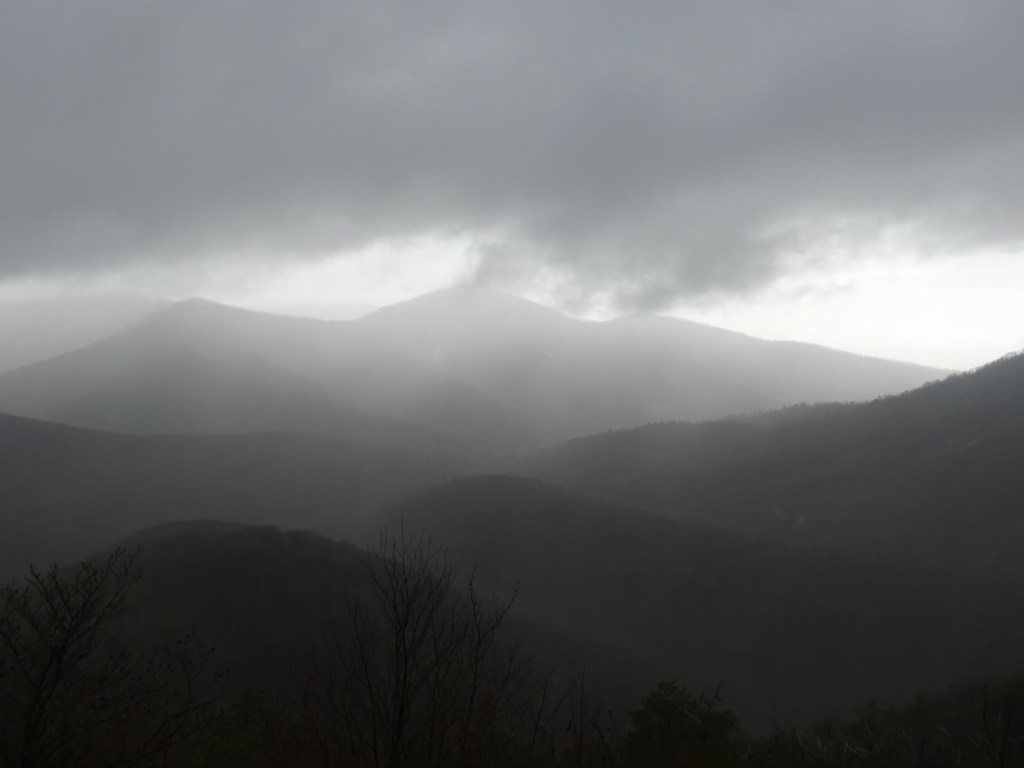





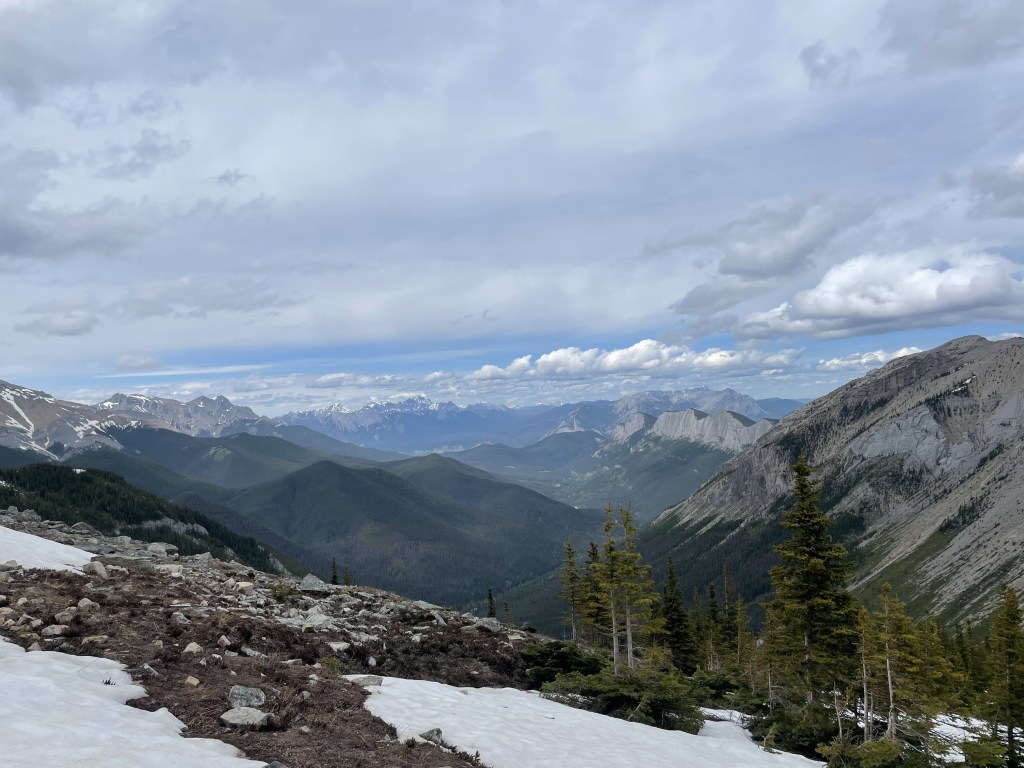

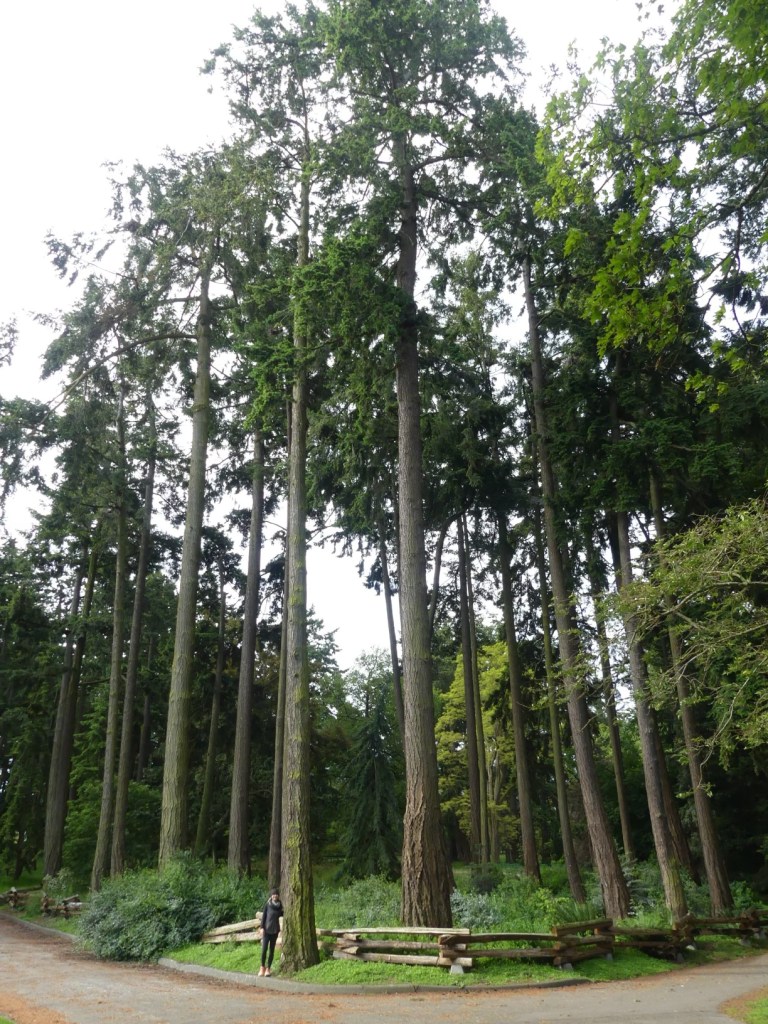



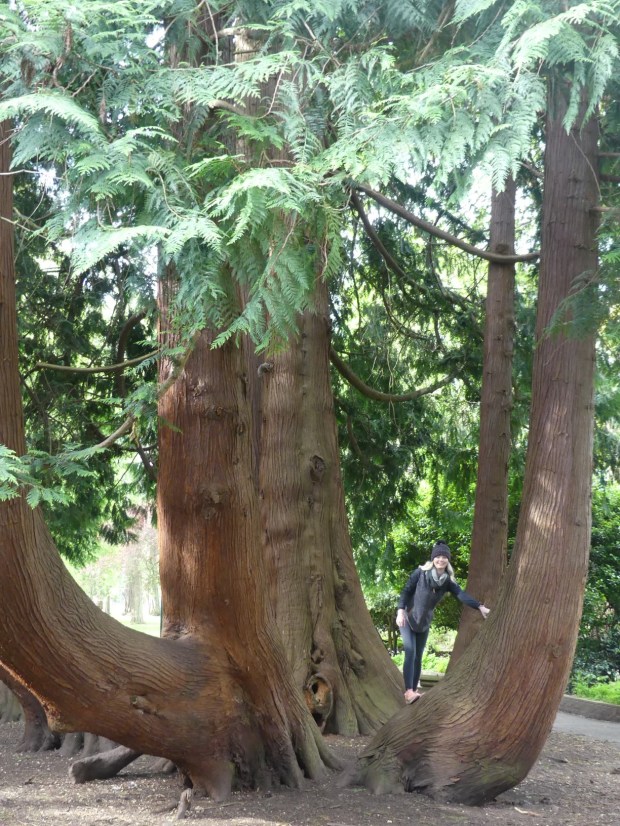
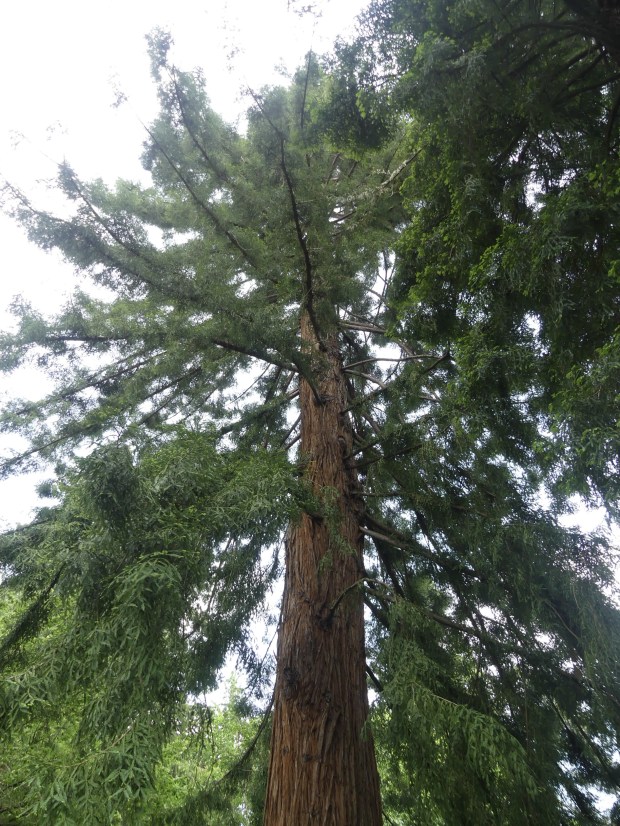

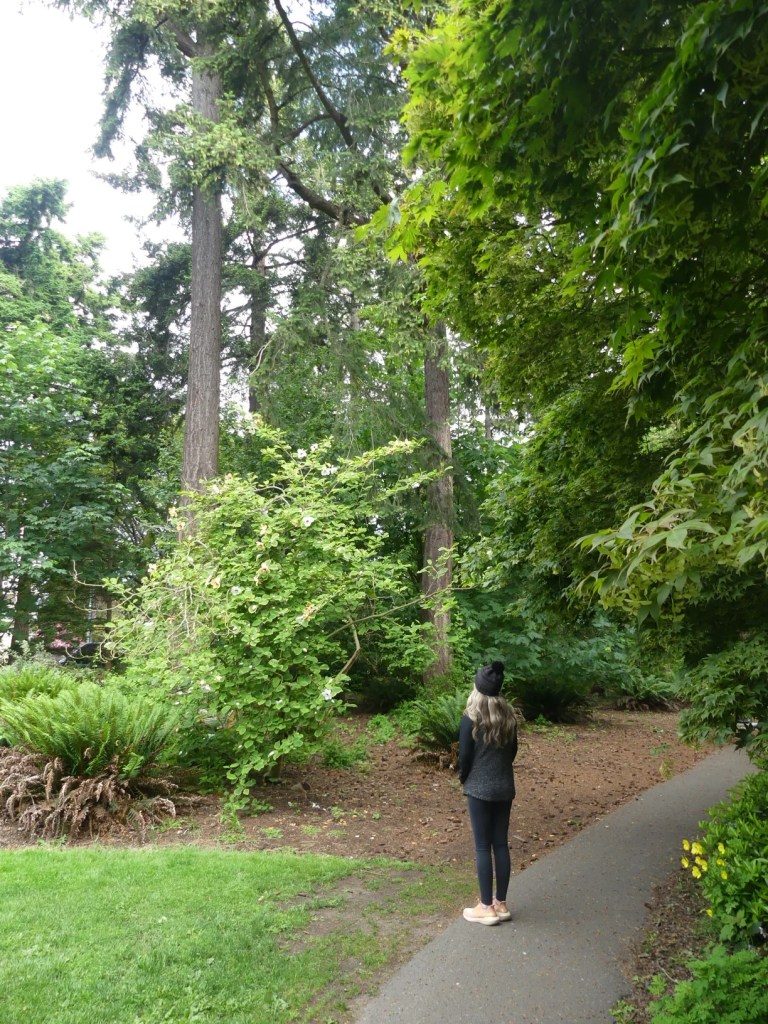
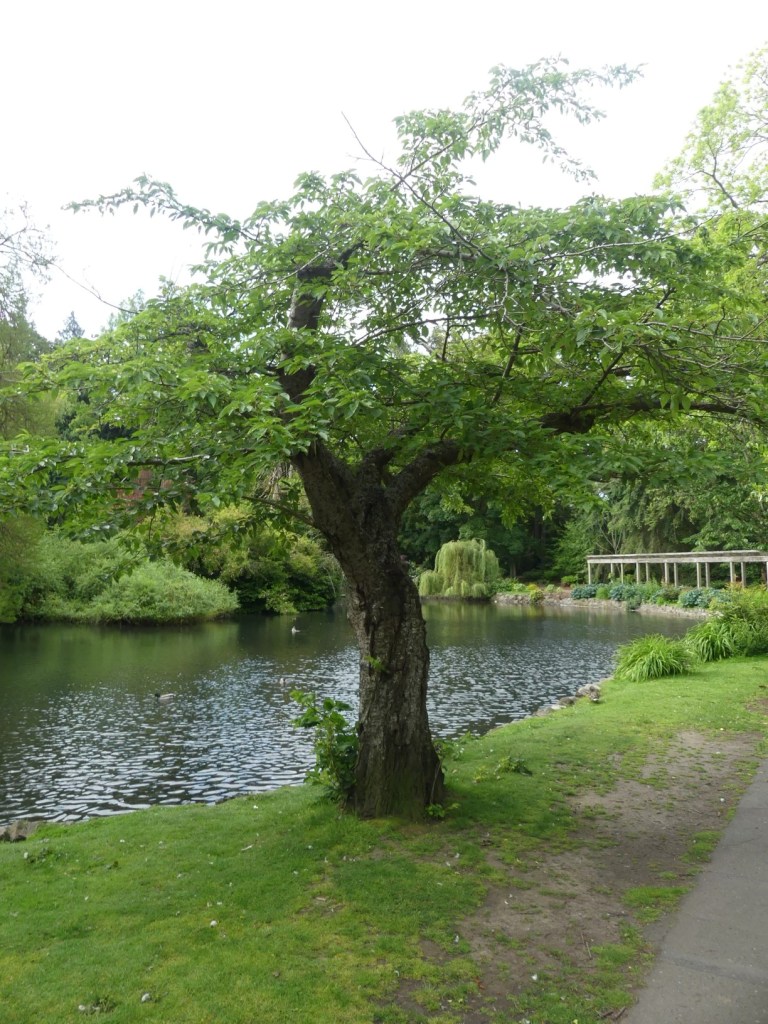




 A Closser Look
Leave a comment